An 82-year-old grandfather who once walked every morning now struggles to cross the room.
A 78-year-old grandmother who managed her home effortlessly now feels breathless climbing just five steps.
They are not “just aging.”
Often, they are living with severe aortic stenosis — a life-threatening narrowing of the heart’s main valve.
And for years, many of these patients were told they were too high-risk for open-heart surgery.
Today, that conversation has changed — because of TAVR.
What Is Aortic Stenosis — and Why Is It So Dangerous?
Aortic Stenosis occurs when the aortic valve becomes thickened and calcified. This prevents the heart from pumping blood effectively to the body.
Over time, the heart works harder and weaker.
The Warning Signs:
- Breathlessness, even with mild activity
- Chest pain or pressure
- Fatigue
- Dizziness or fainting
- Reduced stamina
Once symptoms appear, untreated severe aortic stenosis can significantly reduce survival within just a few years.
The most alarming part?
Many elderly patients ignore these symptoms — assuming they’re just “getting old.”
Why Open-Heart Surgery Isn’t Always Possible
Traditional treatment required surgical valve replacement — an open-heart procedure involving:
- Chest incision
- Heart-lung machine
- General anesthesia
- Weeks of recovery
For elderly patients with:
- Weak lungs
- Kidney problems
- Diabetes
- Previous bypass surgery
- Frailty
The surgical risk can be high.
For many, surgery wasn’t an option.
That’s where TAVR stepped in.
What Is TAVR?
Transcatheter Aortic Valve Replacement (TAVR) is a minimally invasive technique to replace the diseased aortic valve without opening the chest.
Instead of surgery:
- A catheter is inserted through a small puncture in the leg artery
- A new valve is guided to the heart
- It expands inside the old valve
- Blood flow is restored immediately
No large incision.
No stopping the heart.
Faster recovery.
How TAVR Works
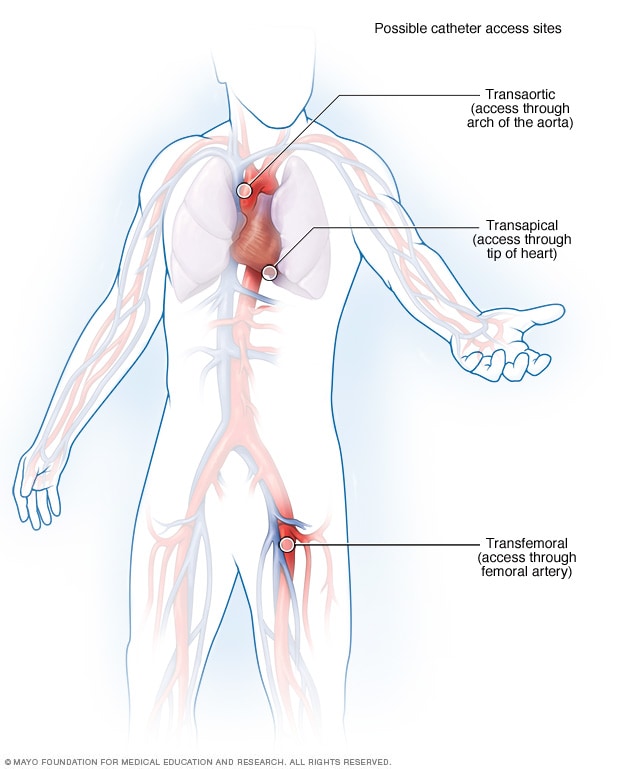

4
Step-by-Step:
1️⃣ A catheter is inserted into the femoral artery (groin).
2️⃣ The compressed artificial valve travels to the heart.
3️⃣ It is positioned inside the narrowed valve.
4️⃣ The valve expands and starts working immediately.
The entire procedure typically takes 1–2 hours.
Many patients are walking the next day.
The Immediate Difference Patients Feel
One of the most remarkable aspects of TAVR is how quickly symptoms improve.
Within days, patients often report:
✔ Easier breathing
✔ Increased energy
✔ Less dizziness
✔ Ability to walk longer distances
✔ Better sleep
For families, it feels like getting their loved one back.
Who Is an Ideal Candidate for TAVR?
TAVR is especially beneficial for:
- Patients above 70–75 years
- Those with severe symptomatic aortic stenosis
- High-risk surgical patients
- Patients with prior heart surgery
- Frail elderly individuals
A multidisciplinary heart team evaluates each patient carefully before recommending TAVR.
Why Timing Matters
Severe aortic stenosis is not a condition to delay once symptoms appear.
Waiting can lead to:
- Permanent heart muscle damage
- Heart failure
- Sudden cardiac death
- Repeated hospital admissions
The earlier the intervention, the better the outcomes.
When every second counts, acting early saves lives.
TAVR vs Open Surgery — A Clear Contrast
| Feature | Open Surgery | TAVR |
|---|---|---|
| Chest Opening | Yes | No |
| ICU Stay | Longer | Shorter |
| Recovery Time | 6–8 weeks | 1–2 weeks |
| Surgical Trauma | High | Minimal |
| Ideal For | Younger patients | Elderly/high-risk |
Both have their place — but for many elderly patients, TAVR is a safer alternative.
Safety and Risks
Like any medical procedure, TAVR carries potential risks:
- Stroke
- Bleeding
- Need for pacemaker
- Vascular complications
However, advancements in technology and experienced heart teams have significantly reduced complications.
Globally, TAVR has been performed in hundreds of thousands of patients with strong outcomes.
Beyond the Procedure: Restoring Independence
TAVR doesn’t just treat a valve.
It restores:
- Confidence
- Mobility
- Independence
- Quality of life
For many elderly patients, it means:
Walking to the temple again.
Playing with grandchildren.
Living without constant breathlessness.
That is more than medicine — that is transformation.
Frequently Asked Questions
Is TAVR safe for patients over 80?
Yes. TAVR was initially developed for elderly high-risk patients.
How long does a TAVR valve last?
Current data shows durability of 8–10 years, with ongoing research evaluating longer-term outcomes.
Is general anesthesia required?
Many centers perform TAVR under conscious sedation.
How long is the hospital stay?
Usually 2–3 days, depending on recovery.
Can someone with previous bypass surgery undergo TAVR?
Yes, and often TAVR is preferred in such cases.
Final Thoughts
Severe aortic stenosis used to be a devastating diagnosis for elderly patients who could not undergo surgery.
Today, TAVR has rewritten that story.
It offers:
✔ A minimally invasive alternative
✔ Faster recovery
✔ Improved survival
✔ Better quality of life
If an elderly loved one is experiencing breathlessness, chest discomfort, or fainting — do not ignore it.
Because sometimes, a tiny catheter can make the biggest difference.
And when every second counts, TAVR can truly give life a second chance.
Dr. Abhishek Kasha
Consultant Interventional Cardiologist
Specialist in Complex Coronary Interventions, Structural Heart Therapies & Heart Failure Management
📍 Tirupati
📞 +91 81213 45656
Advanced Heart Care with Precision, Compassion & Trust
Dr. Abhishek Kasha is a leading Interventional Cardiologist in Tirupati, known for delivering advanced cardiac treatments with clinical precision and compassionate care. With years of expertise in managing complex coronary artery disease, heart failure, and structural heart conditions, he is committed to providing evidence-based, patient-first cardiac care.
He practices at:
- Aster Narayanadri Hospital
- AK Heart & Diabetic Center
Areas of Expertise
1️⃣ Complex Coronary Interventions
- Coronary Angiography
- Angioplasty & Stent Placement
- Complex PCI (Left Main, Bifurcation, CTO)
- IVUS / OCT Guided Angioplasty
- Rotablation for Calcified Arteries
2️⃣ Structural Heart Therapies
- TAVR / TAVI (Transcatheter Aortic Valve Replacement)
- Balloon Valvuloplasty
- Device-based Therapies
3️⃣ Heart Failure Management
- Advanced Medical Therapy
- Device Therapy (ICD, CRT)
- Long-term Heart Failure Care
4️⃣ Preventive & Clinical Cardiology
- Hypertension Management
- Diabetes & Cardiac Risk Assessment
- Lipid Management
- Preventive Heart Screening