By Dr. Abhishek Kasha, Interventional Cardiologist – Aster Narayanadri Hospital, Tirupati
Every puff of smoke — from a cigarette, beedi, hookah, or even chewing tobacco — is not just a casual habit. It’s a slow, silent poison. What starts as a momentary pleasure quietly steals your breath, your heartbeat, and your future.
In India alone, tobacco kills more than 1.3 million people every year — that’s one death every eight seconds. Behind every statistic lies a story: a parent gone too soon, a child growing up without guidance, a dream left unfinished.
It’s time to stop normalizing smoking. It’s not a lifestyle choice; it’s a health crisis.
The Hidden Assault on Your Heart
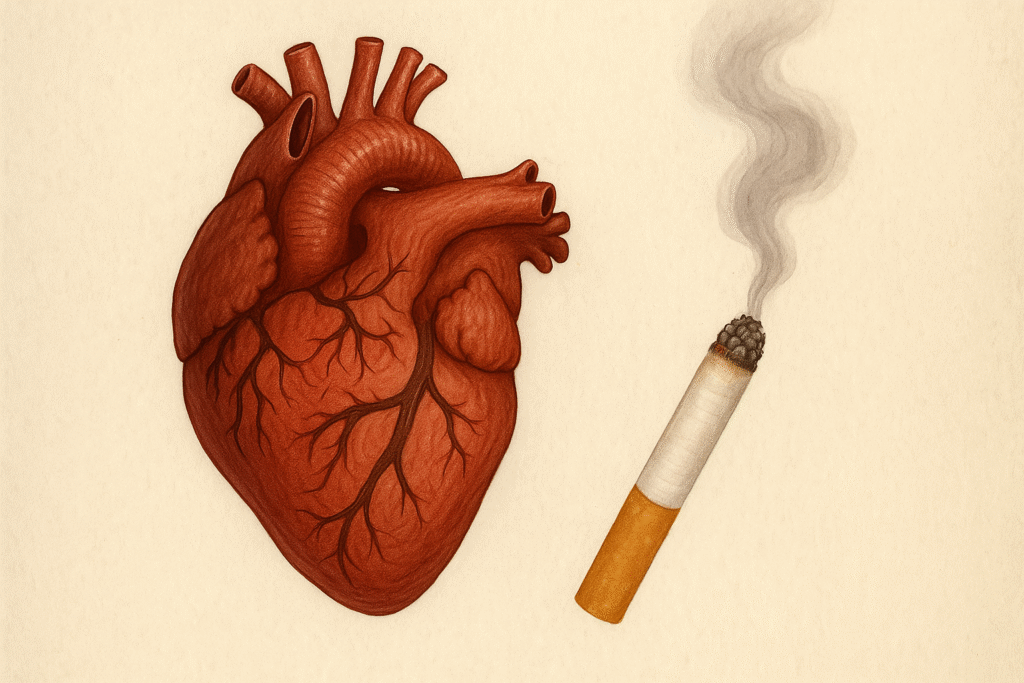
Your heart is one of the first organs to suffer from smoking. The toxins in tobacco damage the inner lining of your blood vessels, making them narrow, stiff, and prone to blockage. Even one or two cigarettes a day can double your risk of heart attack or stroke.
What happens inside your arteries:
- The vessel walls become inflamed and lose flexibility.
- “Good” cholesterol (HDL) drops, while “bad” cholesterol (LDL) rises.
- Platelets stick together, forming dangerous clots.
- Oxygen levels fall, forcing the heart to work harder.
Smokers are two to four times more likely to die of heart disease and three times more likely to have a stroke.
Worse, they tend to develop these conditions 10–15 years earlier than non-smokers.
This means a smoker in their mid-30s may already have the arteries of someone aged 50.
The Brain Under Siege
Your brain thrives on oxygen and healthy blood flow — both of which smoking compromises. Nicotine and carbon monoxide deprive brain tissue of oxygen, slowly damaging blood vessels and nerve cells.
This increases the risk of:
- Stroke — Smokers are twice as likely to experience one.
- Cognitive decline — Memory, focus, and decision-making deteriorate faster.
- Brain aneurysm — A weakened vessel can rupture, often with fatal consequences.
Studies also show that long-term smokers lose gray matter faster, leading to earlier onset of dementia. In other words, smoking doesn’t just harm your lungs — it clouds your mind and steals your clarity.
Vascular Health: The Damage Beyond the Heart
The same narrowing and clotting that occur in your heart’s arteries happen elsewhere too. Smoking is a leading cause of Peripheral Artery Disease (PAD) — where arteries in the legs and feet become blocked.
Common results include:
- Pain and cramps while walking
- Non-healing wounds or ulcers
- In severe cases, amputation due to gangrene
Smokers with diabetes face an even higher risk. Damaged blood vessels and poor oxygen delivery slow healing and multiply the chance of infection and heart failure.
Passive Smoking: The Danger You Don’t Choose
Even if you don’t smoke, breathing in someone else’s smoke can be deadly.
Second-hand smoke contains over 7,000 chemicals, at least 70 of which cause cancer. Within minutes of exposure, your blood vessels react the same way as if you had smoked yourself.
It increases the risk of:
- Heart disease by 25–30%
- Lung cancer by 20–30%
- Asthma, ear infections, and bronchitis in children
There is no safe exposure level. A single hour in a smoke-filled room can cause measurable arterial damage. Children and the elderly are the most vulnerable.
The Myths That Keep Smokers Hooked
Let’s debunk some of the most common misconceptions:
- “Light” or “mild” cigarettes are safer.
False. They deliver the same toxins and cause the same arterial damage. - E-cigarettes and vapes are harmless.
Wrong. They can cause severe lung injury and nicotine addiction, particularly in teenagers. - Chewing tobacco isn’t as bad as smoking.
Not true. It’s a major cause of oral cancer and heart rhythm disturbances.
The tobacco industry thrives on misinformation. Don’t fall for it.
Breaking Free: How to Quit for Good
Quitting smoking is one of the hardest — and most rewarding — decisions you’ll ever make.
Nicotine creates a powerful addiction, but with the right strategy and support, success is absolutely possible.
Step-by-step approach:
- Set a quit date — commit to it like an appointment with your future self.
- Eliminate triggers — get rid of cigarettes, lighters, and ashtrays.
- Seek support — talk to your doctor, counselor, or join a quitline.
- Consider Nicotine Replacement Therapy (NRT) — patches, gums, or lozenges can ease withdrawal.
- Stay active and occupied — physical activity reduces cravings.
- Reward yourself — track your progress and celebrate milestones.
How the Body Recovers After You Quit
| Time After Quitting | What Improves |
|---|---|
| 20 minutes | Heart rate and blood pressure return to normal |
| 12 hours | Carbon monoxide levels normalize |
| 1 day | Heart attack risk begins to drop |
| 2–12 weeks | Circulation and lung capacity improve |
| 1 year | Heart disease risk halves |
| 5 years | Stroke risk matches that of a non-smoker |
| 10 years | Lung cancer risk drops by 50% |
| 15 years | Heart disease risk returns to normal |
Your body wants to heal — it just needs you to stop hurting it.
Building a Smoke-Free India
The responsibility doesn’t lie only with smokers — it lies with all of us.
We can collectively create a smoke-free environment by:
- Refusing to tolerate smoking zones in public spaces
- Protecting children and elders from second-hand smoke
- Supporting friends or colleagues who are trying to quit
- Encouraging smoke-free workplaces and schools
- Speaking openly about the harms of tobacco use
Each cigarette avoided, each conversation started, and each public place that goes smoke-free — all add up to a healthier India.
By the Numbers: Why It Matters
| Statistic | Fact |
|---|---|
| Tobacco-related deaths in India | 1.3 million annually |
| Global deaths | Over 8 million per year |
| Increased heart attack risk | 2–4 times higher |
| Years of life lost | 10–15 years |
| Stroke risk | Twice as high |
| PAD (leg artery disease) in smokers | 3 times higher |
| Global children exposed to second-hand smoke | Over 40% |
(Sources: WHO, CDC, Indian Council of Medical Research, American Heart Association 2024)
Frequently Asked Questions (FAQs)
1. Is it ever too late to quit?
Never. The moment you stop smoking, your body starts to heal. Even quitting at age 60 reduces your risk of heart disease and stroke dramatically.
2. Do herbal or organic cigarettes reduce harm?
No. Smoke from any burning product contains harmful chemicals and carbon monoxide. “Natural” does not mean “safe.”
3. How do I handle cravings and withdrawal?
Cravings usually peak within the first week. Deep breathing, hydration, short walks, or nicotine patches can help. Joining a support group doubles your success rate.
4. Can vaping help me quit?
Vaping isn’t a safe alternative. Many users end up addicted to nicotine in a new form. Medical-grade cessation methods are more reliable.
5. I smoke only occasionally. Is that still dangerous?
Yes. Even one cigarette causes temporary spikes in blood pressure and artery constriction. There’s no such thing as a safe amount.
6. Can second-hand smoke harm pets or children?
Absolutely. Children exposed to it have more asthma, ear infections, and slower lung growth. Pets can develop cancers and respiratory illnesses.
7. Where can I get help in India?
- National Tobacco Quitline: 1800-11-2356
- mCessation App (Ministry of Health, Govt. of India)
- Hospital-based programs like those at Aster Narayanadri, Tirupati
About Dr. Abhishek Kasha
Dr. Abhishek Kasha is a leading Interventional Cardiologist in Tirupati, Andhra Pradesh, widely recognized for his expertise in:
- Complex and high-risk angioplasties
- Imaging-guided PCI using OCT and IVUS
- Physiology-based interventions
- Intravascular diagnostics for precise coronary assessment
With a deep commitment to bringing world-class cardiac care to Rayalaseema, Dr. Kasha ensures patients in the region no longer need to travel to metros for advanced heart procedures. His philosophy combines compassion and cutting-edge science, transforming lives through early diagnosis, precise treatment, and patient education.
For Appointments & Consultations
📍 Aster Narayanadri Hospital, Tirupati, Andhra Pradesh
📞 Call: 91 81213 45656|
🕒 Monday–Saturday | 9 AM – 5 PM